As standard home building costs reach all-time highs, real estate investors are seeking alternative methods to acquire and build new projects, leading to a significant shift toward manufactured and mobile homes. The value of a dollar simply doesn’t go as far as it used to, driving investors to seek more affordable options that still deliver strong returns.
More and more, manufactured home investing is proving to be part of a broader market shift toward alternative investment strategies. While most traditional lenders shy away from these assets, EquityMax funds deals with those that may not meet the stress tests of typical hard money lenders, allowing investors to capitalize on opportunities that conventional financing sources overlook.
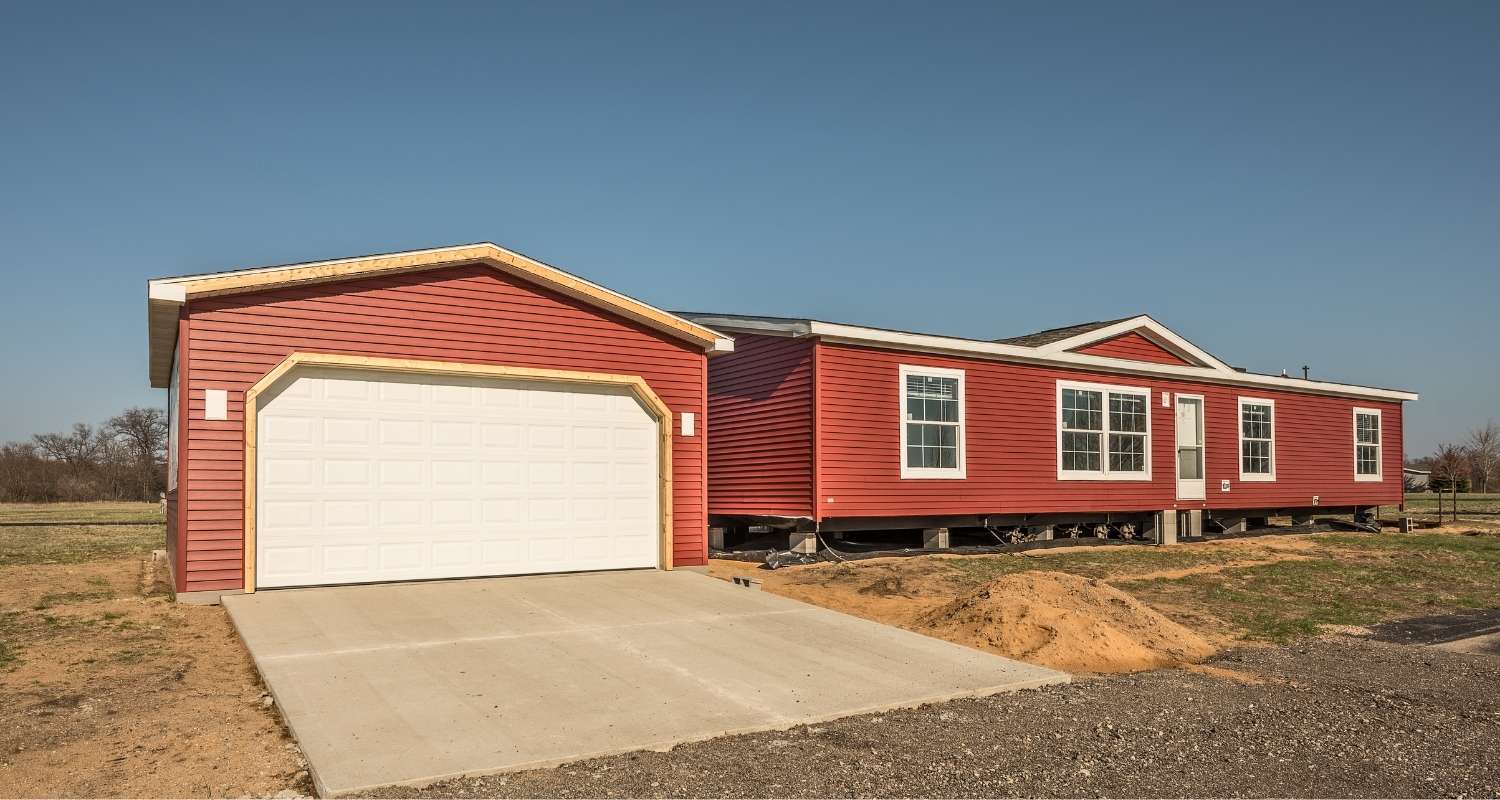
Manufactured homes are factory-built structures constructed to federal HUD code standards, differing from modular homes (built to local codes) and traditional site-built homes. Unlike their site-built counterparts, manufactured homes offer clear cost advantages through standardized, streamlined build processes that enable faster construction timelines.
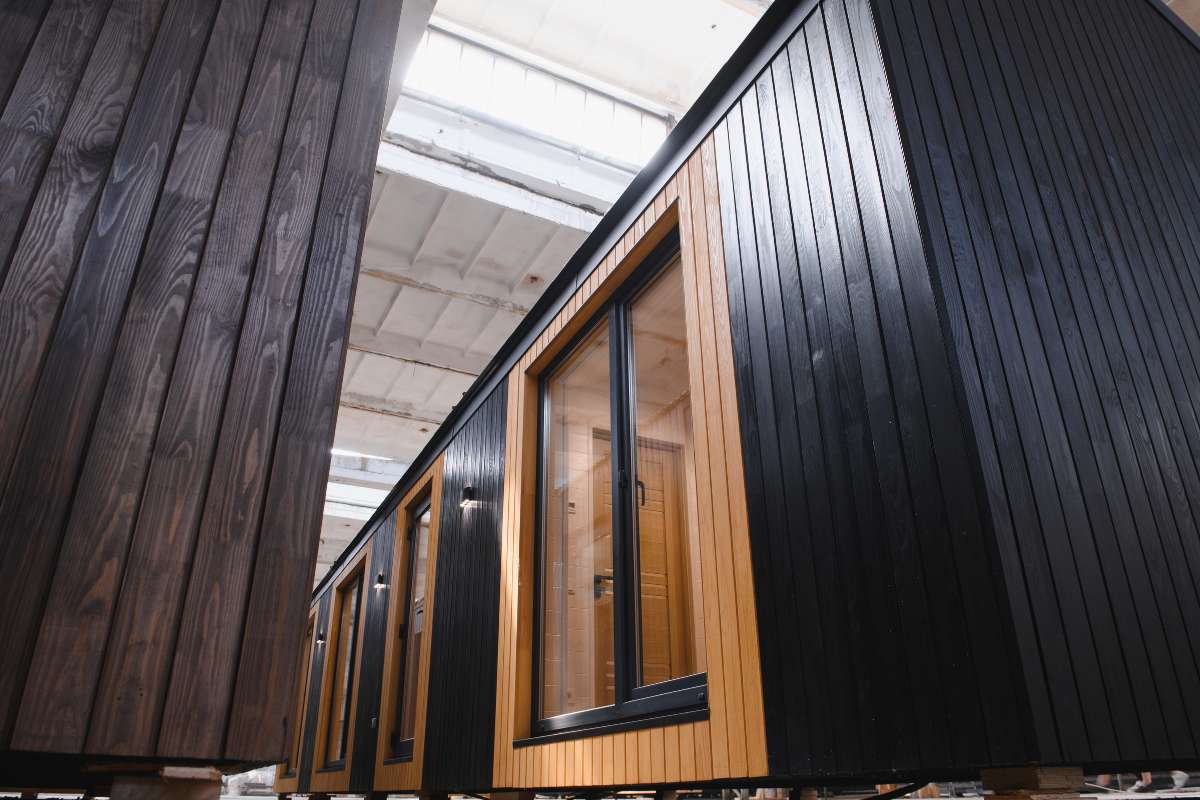
Investors consistently praise manufactured homes as far less costly to maintain as buy-and-hold investments compared to traditional properties. Demographic trends reveal that millennials, retirees, and households across all income thresholds are increasingly choosing manufactured housing either as residents or investment vehicles.
Rising investor interest stems from consistent rental demand and remarkably low vacancy rates that manufactured housing communities maintain even during economic uncertainty. Manufactured housing communities (MHCs) offer recurring income with relatively low overhead since residents typically own their homes while renting the land and amenities.
Large REITs and Wall Street institutional investors have begun flocking to manufactured home investing, validating the asset class’s legitimacy and long-term viability. Their participation signals market maturity and provides additional liquidity for investors at all levels.
The escalating costs of single-family homes have pushed them beyond reach for many would-be homeowners, creating urgent demand for affordable alternatives. Manufactured housing fills this critical gap by providing quality living spaces at price points that working families can actually afford.
Population shifts toward the Sun Belt and Midwest regions are increasing market demand as residents flee high-cost coastal areas. These migration patterns concentrate in states where manufactured home investments already show strong fundamentals.
Potential interest rate stabilization or modest reductions in 2026 could significantly improve financing conditions for both investors and end buyers. More favorable borrowing costs would accelerate market activity and enhance investment returns.
Local municipalities and state governments offer financial incentives spurring growth in affordable housing through tax credits, expedited permitting, and development grants. These initiatives reduce barriers to entry and improve project economics for developers.
Enhanced design quality and sustainability features are rapidly bridging the gap between standard homes and manufactured homes. A manufactured home from 1970 bears little resemblance to the sophisticated, energy-efficient structures being produced in 2025.
Decreased site-built construction has increased demand for more affordable rental options, with manufactured homes capturing a growing share of this market. Rising costs of living make manufactured housing rental communities increasingly attractive to tenants.
For manufactured home investing, some markets clearly outperform others based on population growth, job creation, affordability metrics, and investor yield potential. These top 10 markets combine low entry costs with strong appreciation potential and robust rental returns, conditions that experienced investors recognize as ideal.
High migration from the northeastern states and strong retirement demand continue to drive Florida’s manufactured home market to new heights. Large existing manufactured housing communities benefit from supportive zoning laws that recognize the important role these properties play in addressing affordable housing needs.

High rental occupancy rates in Tampa, Orlando, and Fort Myers demonstrate consistent tenant demand, keeping vacancy rates low. Weather-resistant construction in newer communities built to enhanced hurricane standards is improving long-term value propositions and reducing insurance concerns.
Population growth in major metros and expanding suburban areas continues fueling demand for affordable housing options across the Lone Star State. Low land costs combined with a business-friendly regulatory environment create ideal conditions for developing new manufactured housing communities.
Expanding infrastructure around Austin, Dallas, and Houston supports new developments by providing essential utilities and transportation access. High investor yields paired with low property taxes in many Texas counties deliver exceptional cash-on-cash returns compared to traditional real estate investments.
Growing affordability appeal compared to nearby coastal markets is attracting residents and investors who recognize value opportunities. Strong demand from workforce housing needs and retirees relocating inland from expensive beach communities creates diverse tenant profiles.
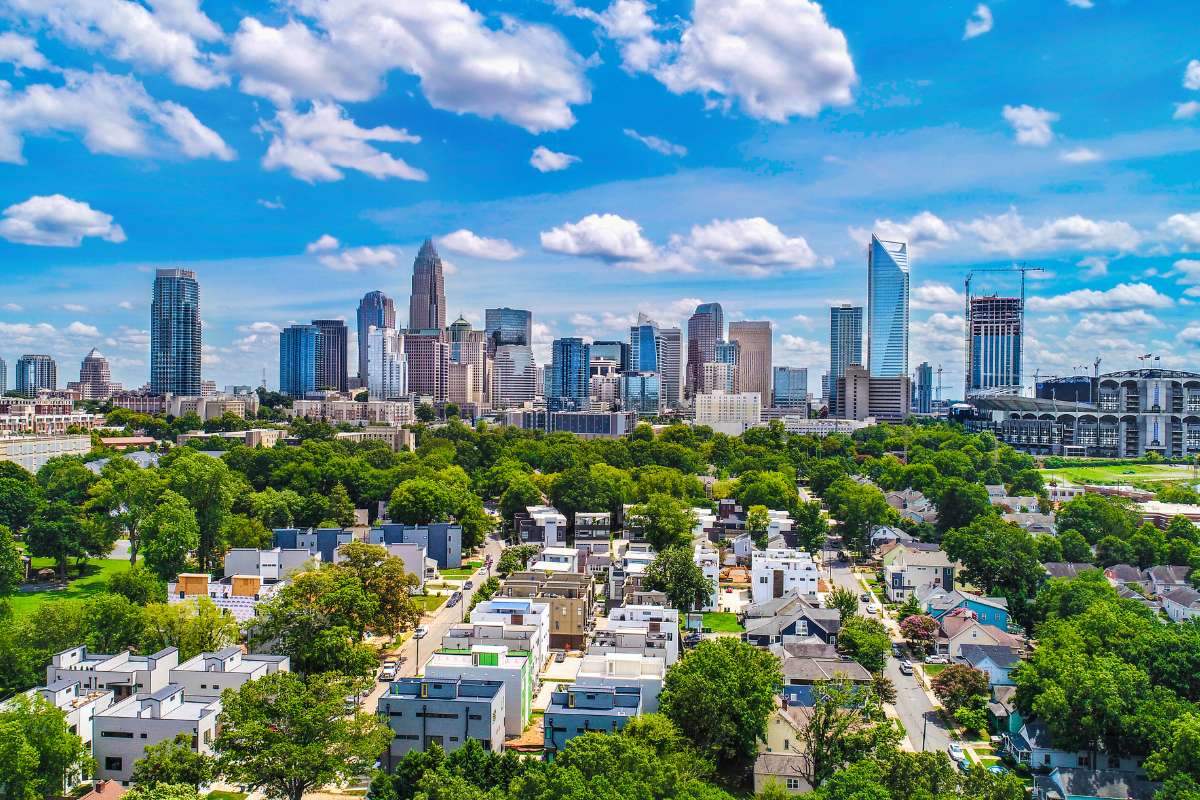
Consistent rental demand in Raleigh, Charlotte, and Fayetteville maintains high occupancy rates, supporting stable investment returns. Favorable regulations for manufactured housing communities reduce development barriers and ongoing operational compliance burdens for property owners.
Fast population growth and an influx of retirees from the Northeast mirror trends in neighboring North Carolina, but often at even more attractive price points. Attractive property tax rates and flexible zoning in secondary markets create opportunities for investors seeking less competitive entry points.
The Myrtle Beach, Charleston, and Greenville areas are showing consistent rental growth as regional economic expansion attracts new residents. The potential for long-term appreciation, combined with consistent occupancy rates, makes South Carolina a compelling choice for buy-and-hold strategies.
Strong retirement population demographics and year-round rental opportunities create stable demand that doesn’t fluctuate with seasonal employment patterns. High demand in Phoenix and Tucson suburbs, combined with a limited affordable housing supply, creates pricing power for property owners.
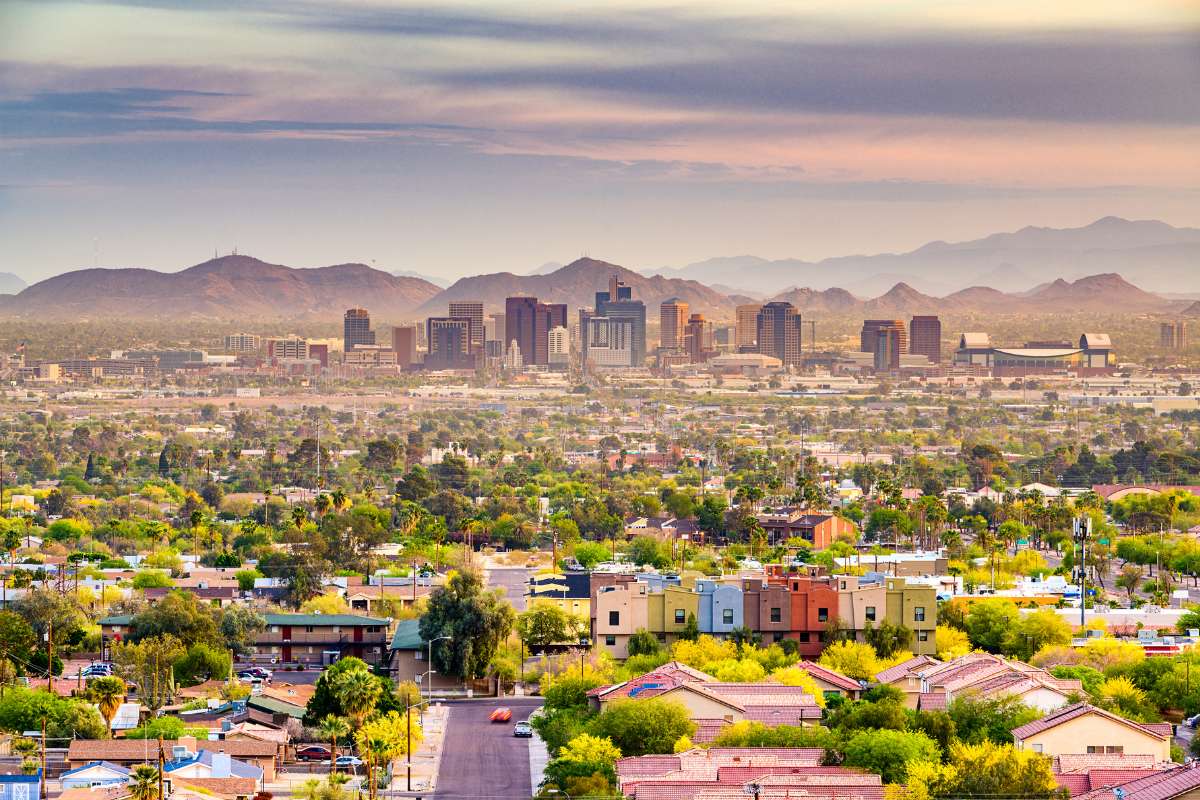
Increasing manufactured home park developments and strategic REIT acquisitions validate the market’s investment thesis. Favorable climate conditions and low maintenance costs enhance returns by reducing the operational expenses that plague properties in harsher weather regions.
Stable economy and strong workforce housing demand create predictable market conditions that reduce investment risk. Low-cost entry points and steady rental yields make Ohio accessible for investors with limited capital seeking to build portfolios.
Columbus and Cincinnati are emerging as affordable investment hubs with improving infrastructure and economic diversification. Local government support for affordable housing redevelopment includes incentive programs, community workshops, and streamlined permitting designed to encourage manufactured housing development.
High rental demand from industrial and logistics sector workers provides stable tenant pools in regions with significant employment growth. Consistently ranked among the top affordable states for real estate investors, Indiana offers financing opportunities that maximize leverage and returns.

The Indianapolis area offers solid returns, with low vacancy rates that maintain consistent cash flow across market cycles. Reliable cash flow opportunities for buy-and-hold investors come from high returns at low starting price points.
Rising demand in suburban areas stems from affordability gaps in urban areas that push residents toward more affordable housing options. The Detroit metro and western Michigan markets offer high-yield potential for investors willing to research specific neighborhoods and communities.
Growing trends toward the revitalization of manufactured home communities present value-add opportunities for experienced operators. Seasonal rental opportunities exist for both residential tenants and vacation markets, particularly in northern and lakefront regions.
Affordable land prices and increasing demand in Birmingham and Huntsville offer dual advantages: low acquisition costs and growing tenant pools. A growing population and a strong job market in the tech and manufacturing sectors create employment-driven housing demand.
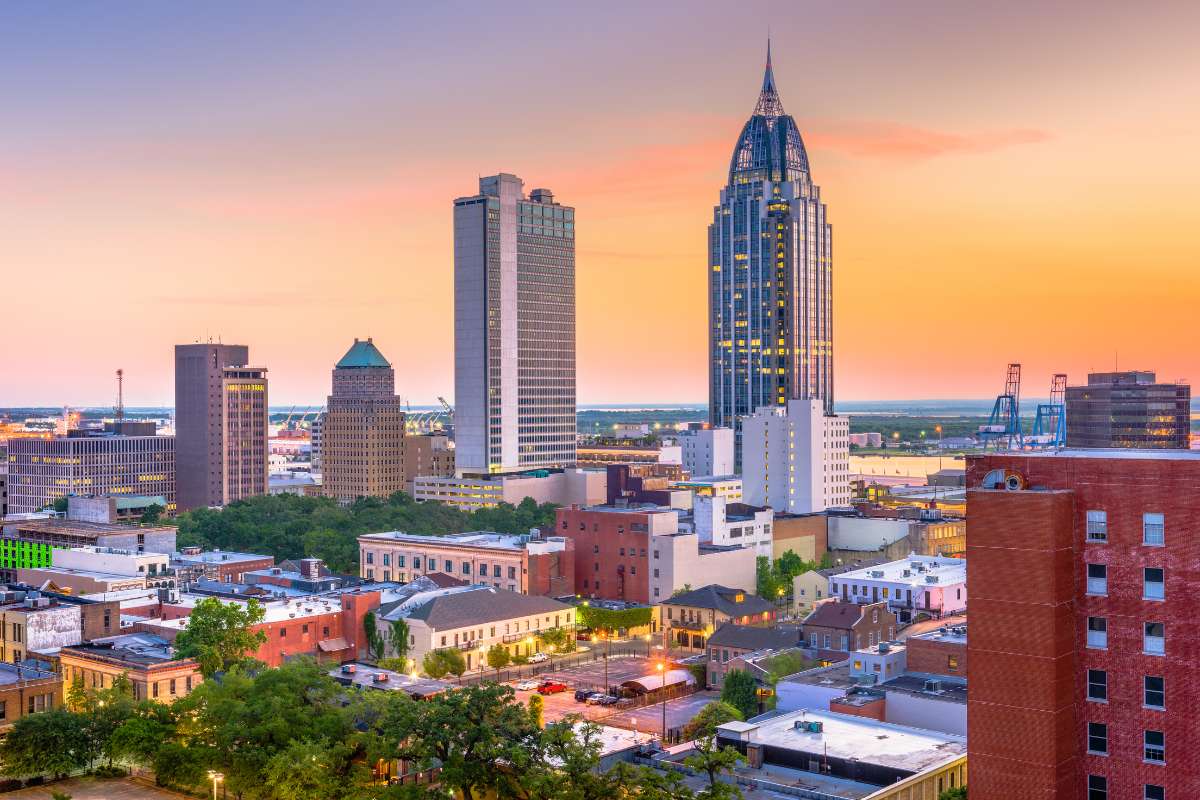
Favorable landlord laws and minimal property management challenges reduce operational complexity compared to tenant-friendly states. There is potential for long-term appreciation and stable returns as Alabama’s economy continues to diversify beyond traditional industries.
Atlanta suburbs are seeing strong growth and migration as residents seek affordability near major employment centers. Economic expansion across the metro region is driving workforce housing demand, and manufactured housing communities are well-positioned to capture it.
Affordable land and reasonable development regulations make new project development feasible for investors with moderate capital. Consistent appreciation and rental demand in secondary cities like Macon and Augusta prove that opportunities extend well beyond the Atlanta metropolitan area.
Manufactured housing offers investors a unique combination of stability, consistent cash flow, and growth potential that traditional real estate struggles to match in today’s high-cost environment. Investors should seriously consider these top 10 markets for portfolio diversification and strong ROI potential based on local economic conditions, demographic trends, and regulatory environments.EquityMax provides flexible financing and experienced guidance specifically designed for both new and seasoned investors exploring manufactured home investments that traditional lenders typically decline. Ready to get started with manufactured home investing in 2026? Contact EquityMax today to explore our specialized loan programs and discover how our financing solutions can help you capitalize on opportunities in America’s fastest-growing affordable housing sector. Let us help you maximize the return on your investment by putting you and your capital in the best possible position to be successful.