

Georgia’s real estate market is expanding well beyond Atlanta, creating prime opportunities for investors seeking lower entry costs and stronger ROI in markets that have not yet been saturated by institutional capital. Rising home values and increased rental demand in secondary cities and rural pockets throughout the state signal that 2026 is the ideal time to act before prices peak and the window of opportunity narrows.
Next, we will go through 10 undervalued markets across Georgia where savvy real estate investors can capitalize on population growth, job expansion, and affordable inventory that the mainstream investment community has not yet discovered. Whether you are focused on long-term buy-and-hold rentals, short-term vacation properties, or fix-and-flip projects, real estate investing in Georgia offers a diverse range of strategies at price points that most other Southeast states cannot match. AtEquityMax, we help investors move quickly in competitive emerging markets with flexible financing solutions designed to close deals before opportunities disappear.
Undervalued markets feature median home prices below regional averages, combined with rising renter demand, low vacancy rates, and increasing transaction volume that signals growing investor and buyer interest. Key indicators include population growth trends, job market diversification, proximity to major employment hubs or universities that provide a stable foundation for housing demand, and infrastructure projects that signal future development. Price-to-rent ratios below 15 signal strong cash-flow potential and favorable conditions for rental-property investors seeking immediate income rather than speculative appreciation. Markets in early growth stages offer the highest upside in appreciation before institutional investors and developers drive prices upward, and these opportunities are especially attractive in areas where homes sit on larger parcels that leave ample upside for future development, subdivision, or accessory dwelling unit construction.
Home to Fort Eisenhower and a growing medical corridor, Augusta provides consistent rental demand from military personnel and healthcare workers who need reliable housing near their workplaces. Median home prices remain well below $200,000, offering accessible entry points for new and seasoned real estate investors alike. The Cyber Center of Excellence expansion is attracting tech employers and increasing long-term economic stability in ways that should support continued appreciation in the years ahead.
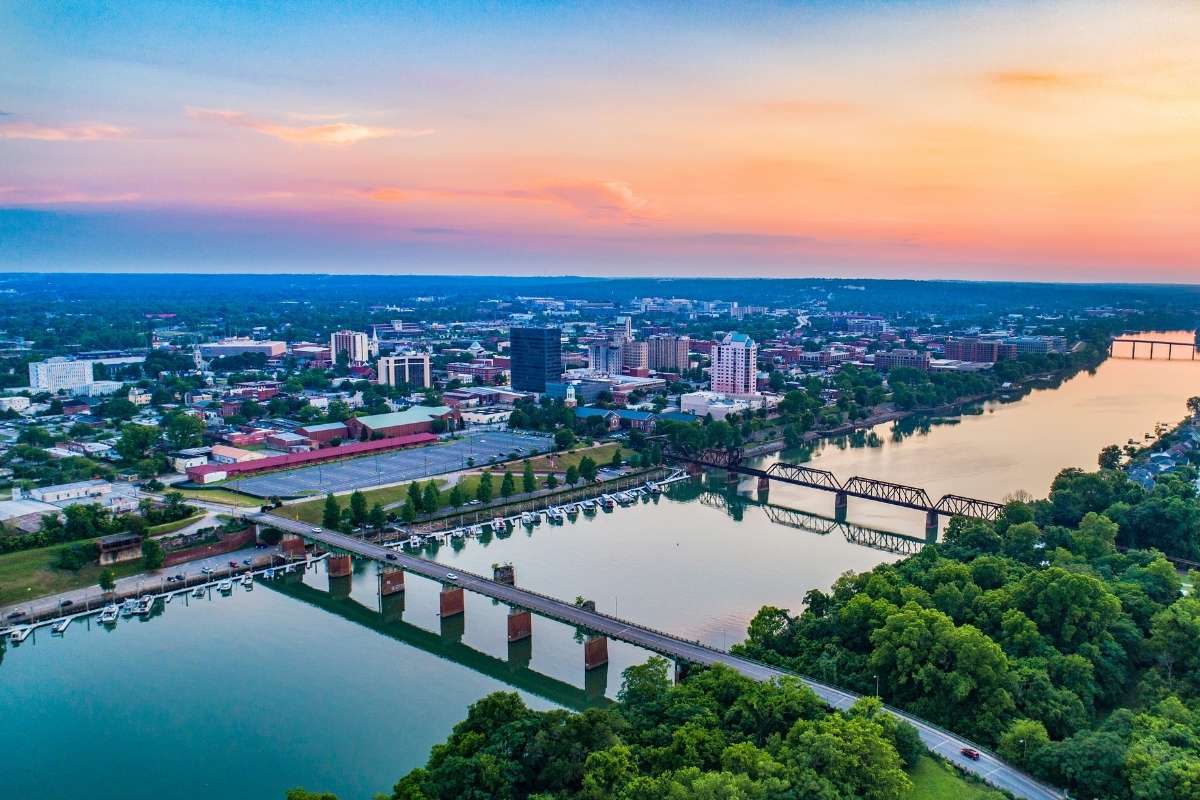
Columbus offers some of the lowest price-per-square-foot metrics in Georgia, making it ideal for value-add and rental portfolio strategies where cash-on-cash returns are the primary objective. Fort Moore (formerly Fort Benning) anchors a reliable tenant base with low turnover and consistent occupancy rates, insulating investors from the vacancy risk that plagues other markets. Ongoing downtown revitalization projects are boosting property values while keeping prices below the state average.
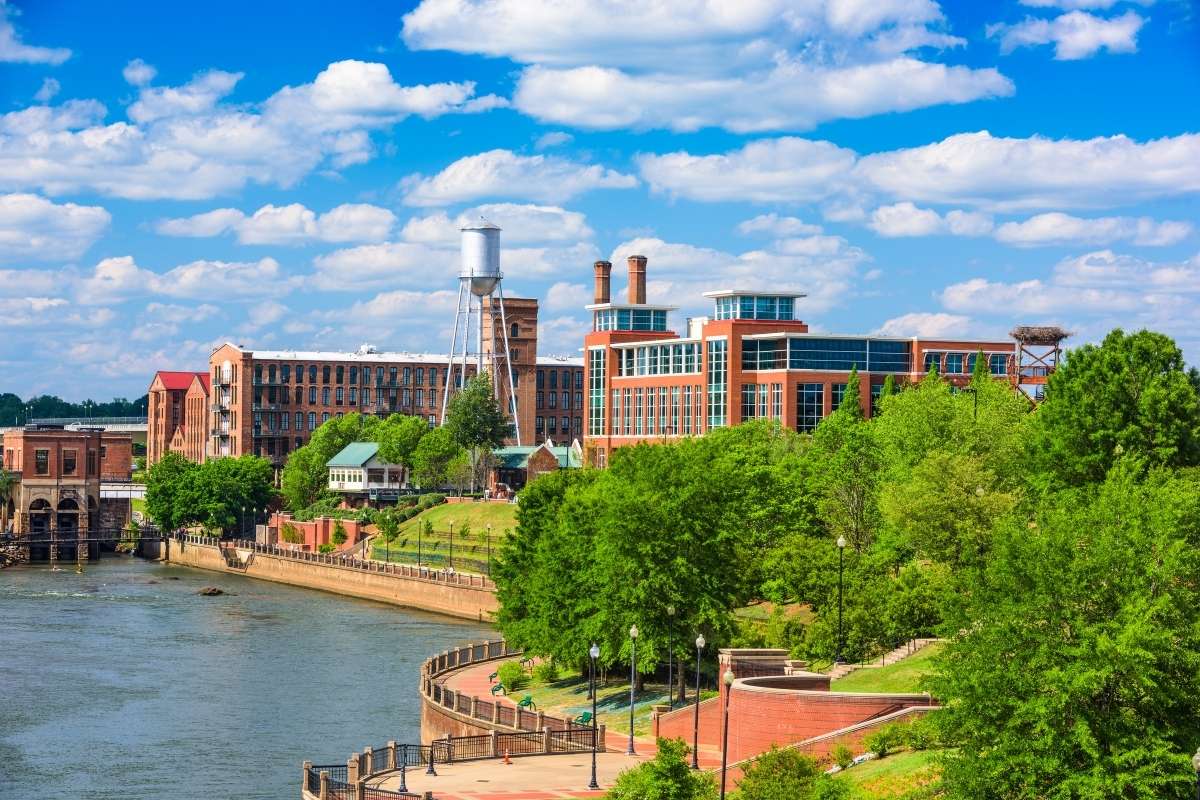
Savannah’s historic district and booming tourism sector create strong short-term rental income opportunities through platforms like Airbnb and Vrbo, and the city’s year-round appeal means seasonal vacancy is less of a concern than in many other vacation markets. The Port of Savannah expansion, one of the largest infrastructure projects in the Southeast, continues to attract logistics companies and blue-collar workers who need affordable long-term housing, creating dual demand streams that benefit real estate investors pursuing either rental strategy. Investors can find undervalued multifamily properties in fringe neighborhoods just outside the tourist core where prices remain accessible, and appreciation potential is significant as the city’s footprint expands.

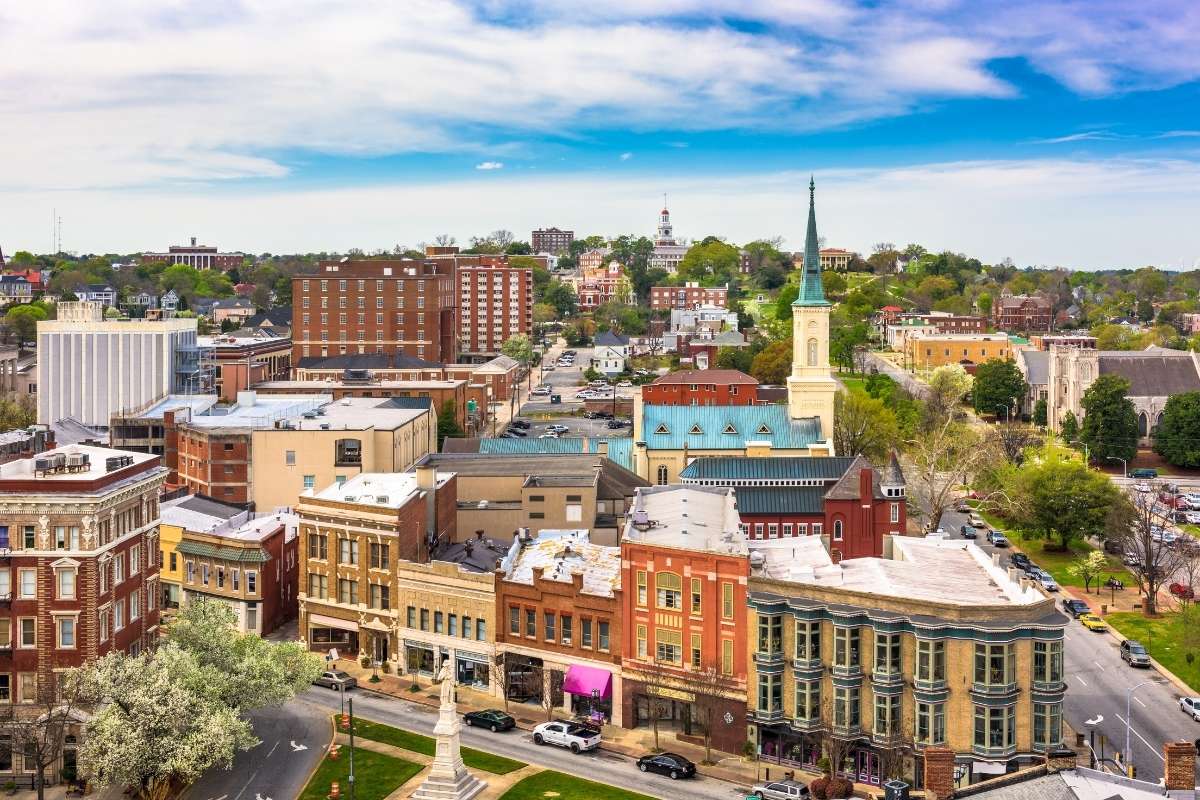
Macon is experiencing a cultural and economic renaissance driven by arts investment, Mercer University, and local business growth, transforming the city’s trajectory. Median home prices in Macon are among the lowest in the state, creating exceptional cash-on-cash return potential for investors willing to look beyond headline markets. Strategic city investments in infrastructure and public safety are improving neighborhood desirability and long-term appreciation prospects. For investors targeting these lower-cost markets, our flexible loan programs can finance acquisitions starting as low as $20,000.
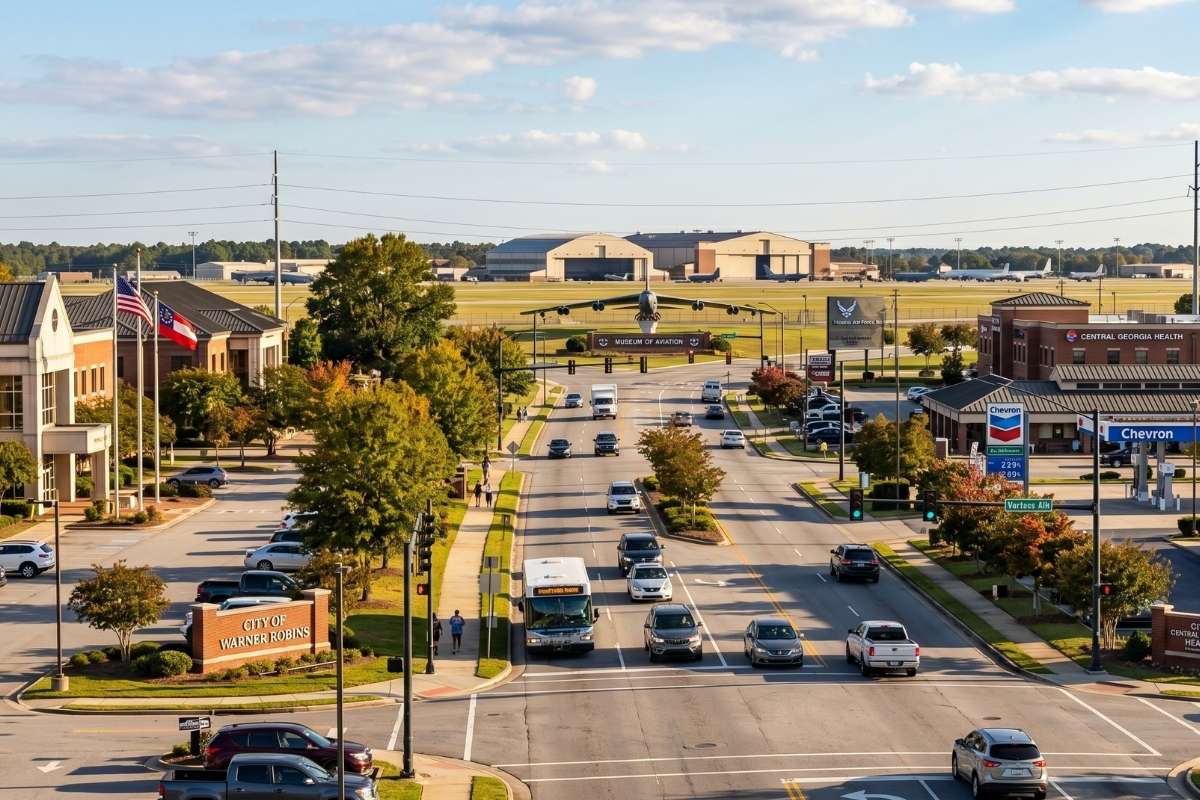
Robins Air Force Base makes Warner Robins one of Georgia’s most recession-resistant rental markets with a built-in tenant pool that provides stability regardless of broader economic conditions. The city’s growing aerospace and defense contractor ecosystem is attracting higher-income renters willing to pay premium rates for quality housing. New residential developments have not yet caught up with demand, keeping vacancy rates low and rents competitive.
Gainesville is capturing overflow demand from the Atlanta metro as remote workers and families seek affordable alternatives within commuting distance of the city’s job centers. Lake Lanier’s proximity drives vacation rental demand and year-round short-term occupancy that can supplement long-term rental income, giving real estate investors multiple revenue strategies within a single market. The poultry and agricultural industries have long anchored Gainesville’s economy, but a growing healthcare sector led by Northeast Georgia Medical Center is diversifying the employment base and supporting stable, long-term rental demand from medical professionals and support staff.
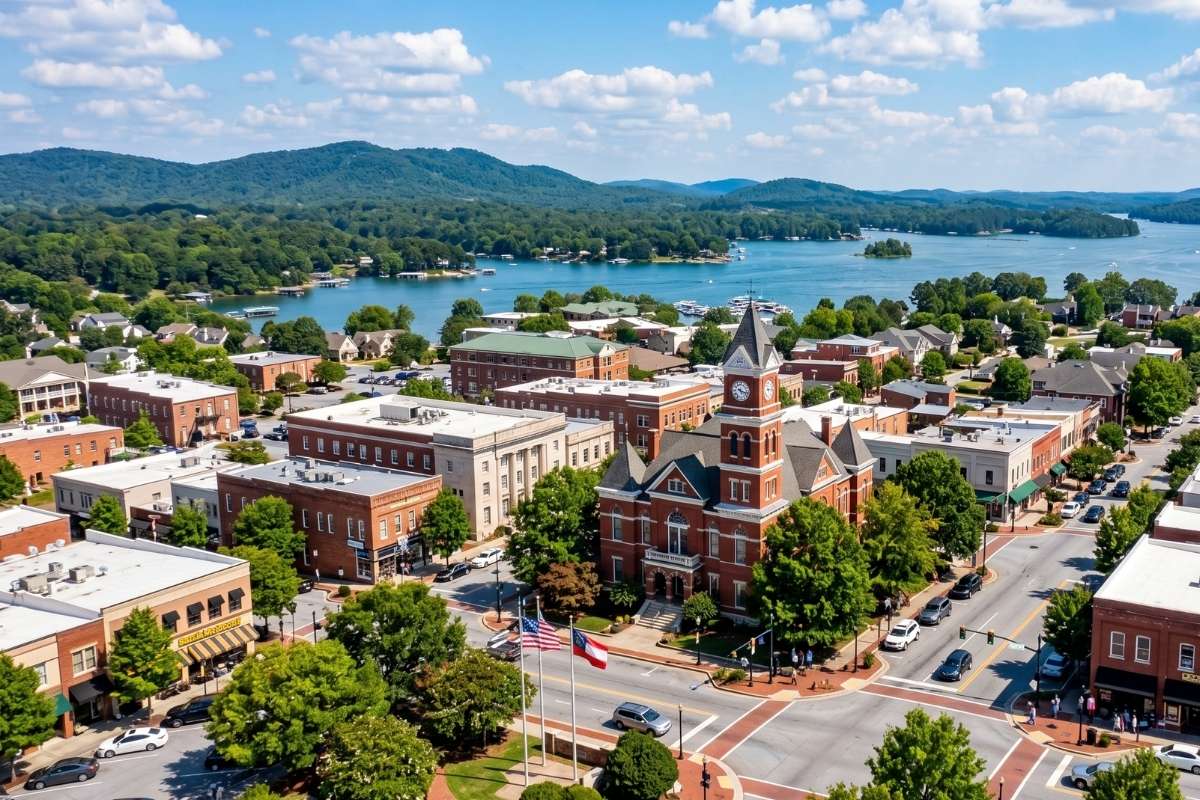
Rome hosts multiple colleges, including Berry College and Shorter University, creating a steady pipeline of students and faculty renters who need housing near campus. Home prices remain significantly below the state median, giving investors strong leverage and room for value appreciation as the city continues to attract new employers. Manufacturing-sector growth is bringing new jobs and driving demand for workforce housing in previously overlooked neighborhoods.

Valdosta State University and Moody Air Force Base together create dual rental demand streams that reduce investment risk by diversifying the tenant pool across student, military, and civilian populations. The city’s position near the Florida border is attracting retirees and remote workers seeking a lower cost of living without sacrificing amenities. Below-average acquisition costs paired with rising rents make Valdosta a high-yield target for cash flow real estate investors in 2026. For investors exploring niche property types in the area, our rural and niche property financing can support deals that traditional lenders will not touch.
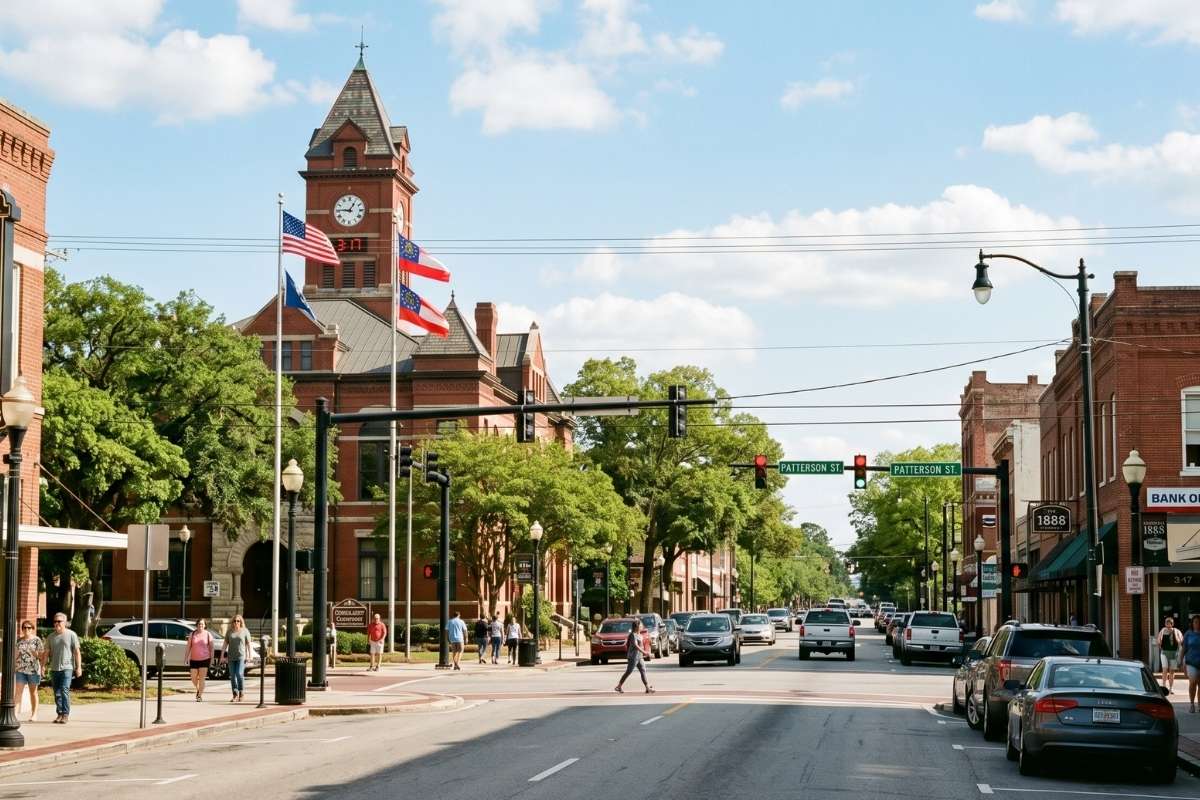
The University of Georgia guarantees a perpetual renter pool that insulates Athens from economic downturns better than most Georgia cities, making it one of the most stable long-term investment markets in the state. Student housing near campus and workforce housing along the east side of the city offer distinct investment strategies for different risk profiles, and investors can build diversified portfolios within a single market by targeting both demographics. Athens has seen steady property value appreciation over the past five years, driven by the university’s continued expansion and a growing food, arts, and entertainment scene that attracts young professionals who stay after graduation.
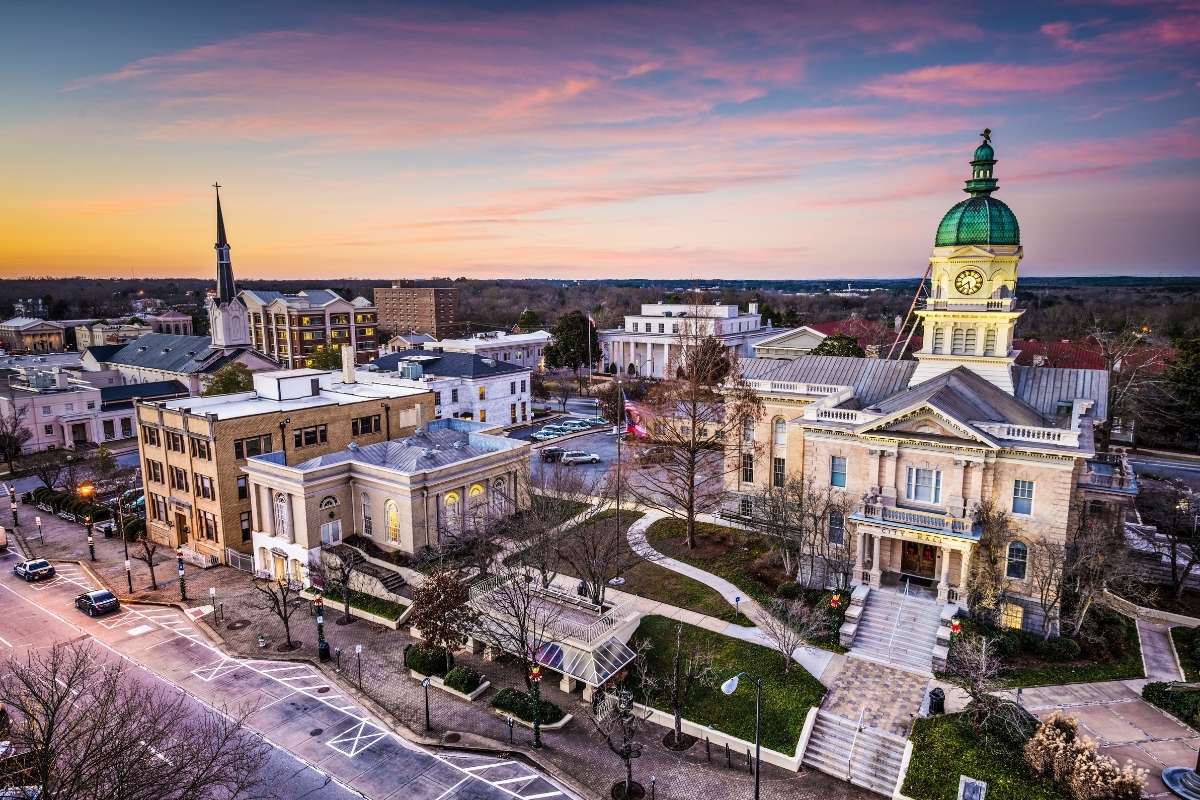
Dalton’s manufacturing roots are expanding into logistics and advanced manufacturing, attracting a new wave of working-class renters who need affordable housing near their workplaces. The city has long been known as the carpet capital of the world, but economic diversification is broadening the employment base and creating demand for housing types that did not exist in the market five years ago. Home values remain well below the state average, offering real estate investors high equity upside as the local economy diversifies. Proximity to Chattanooga, Tennessee, is drawing cross-border employers and residents who prefer Georgia’s lower tax environment while maintaining easy access to Chattanooga’s growing job market and amenities.
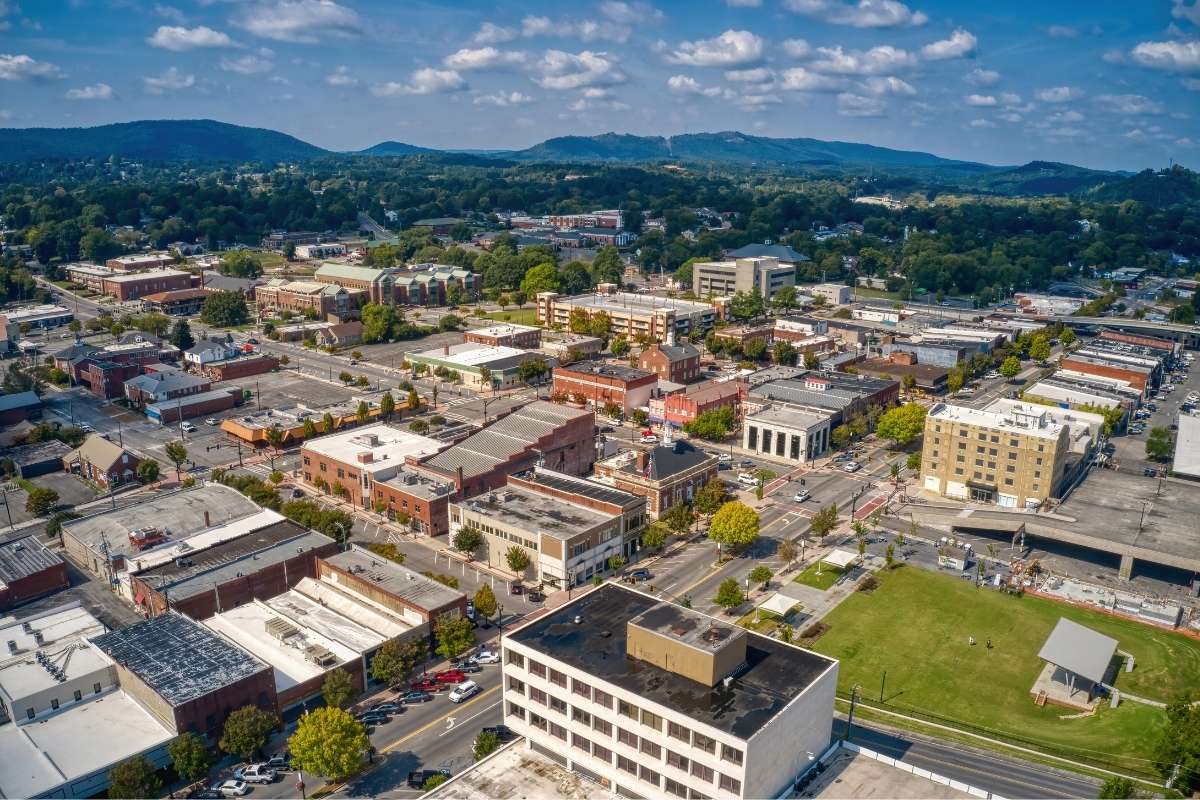
Investors interested in Georgia’s mountain region should also keep an eye on communities in and around the Blue Ridge Mountains, where short-term rental demand driven by seasonal tourism, hiking, and outdoor recreation creates strong income potential for vacation rental properties. These markets often feature lower acquisition costs than comparable mountain destinations in other states, and the combination of natural beauty and growing visitor traffic makes them worth serious consideration.
The 10 markets outlined in this guide represent Georgia’s strongest opportunities for real estate investors willing to look beyond the saturated Atlanta metro in 2026. Acting early in emerging markets like Macon, Dalton, and Valdosta positions investors for both strong cash flow and long-term appreciation before prices peak and institutional capital moves in. You can hear from investors who have partnered with us on similar deals across the Southeast.
Pair your market selection strategy with fast, flexible financing through EquityMax to secure deals before competing investors recognize the same opportunity. Whether you are targeting a $30,000 fix-and-flip in Macon, a $200,000 multifamily in Savannah, or a manufactured home in Valdosta, we have the loan programs and experience to get your deal to the closing table quickly. Apply for a loan or get prequalified with EquityMax today to get started on your next Georgia investment.