For decades, many real estate investors dismissed mobile homes without a second look. They were seen as depreciating and inferior assets, closer to a used car than a house, and not worth serious attention from anyone building a real estate portfolio.
That picture has changed. Construction standards, build quality, and investor demand have all shifted, and manufactured housing now draws interest from first-time investors and seasoned portfolio builders alike.
Next, we’ll look at how perceptions of mobile home investing have shifted, why a home’s age alone doesn’t define its value, and the range of strategies investors use today. At EquityMax, we fund mobile home investors nationwide, so we see firsthand how these deals come together and what makes them work.
The old reputation didn’t come from nowhere. Several factors kept mobile homes on the fringe of real estate investing for years:
Together, these issues created a stigma that lingered long after the industry itself began to change.
Many of those early homes are still standing today, which is part of why the stereotype has been slow to fade. But judging the entire market by its oldest units misses how much has actually changed.
The biggest turning point came in 1976. Under federal Manufactured Home Construction and Safety Standards, commonly called the HUD Code, every manufactured home built in the U.S. after June 15, 1976 must carry a label certifying that it meets national requirements. Those standards cover areas such as the body and frame, thermal protection, plumbing, electrical systems, and fire safety.
In plain terms, homes built before that date are generally called mobile homes, while homes built after it are called manufactured homes. The difference is more than a name. Post-1976 homes were built to a uniform federal standard, while earlier homes were not.
For investors, that certification label is one of the first things to check on any property. Lenders, insurers, and future buyers often look for it, so it can directly affect how easy a home is to finance and resell.
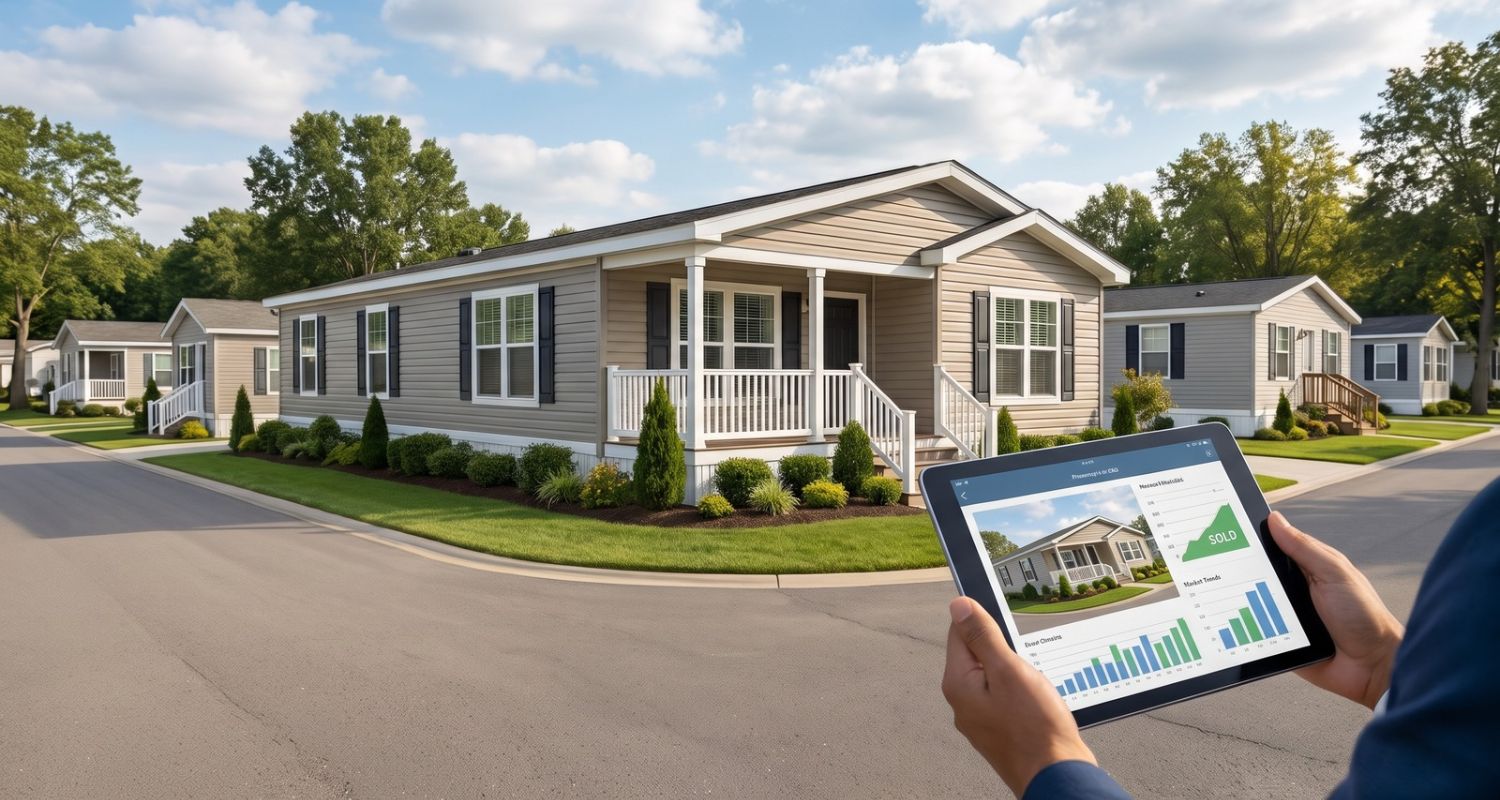
Walk through a newer manufactured home, and you may be surprised by what you find.
Common features include:
A well-built, well-maintained manufactured home can be nicer than an older or poorly maintained site-built home. Because these homes are built in controlled factory settings, they also benefit from consistent processes and protection from weather during construction, which supports more uniform quality.
Rising home prices and rents continue to push buyers and renters toward more affordable housing options. Manufactured homes fill that gap for many families, retirees, and first-time buyers.
As demand has grown, so has investor interest. More investors now treat manufactured housing as a legitimate asset class rather than a niche to avoid.
That shift shows up across the market, from individual investors buying their first home to larger operators acquiring entire communities. For tenants and buyers, manufactured homes often offer more space and privacy for the money than an apartment in the same area.
Age is one factor in evaluating a mobile home, but it shouldn’t be the deciding one. A 30-year-old home that has been cared for can be a far better investment than a 10-year-old home that has been neglected.
When you evaluate a property, these factors matter more than the year it was built:
Pay close attention to that last item. Pre-1976 homes can be harder to finance and insure, which can narrow your pool of future buyers. Factor that into your exit plan before you commit.
Older homes that have been updated and cared for often present the best value opportunities. A lower purchase price can leave more room in your budget for renovations and, ultimately, more room for profit.
When possible, have the home inspected by someone familiar with manufactured housing. They will know where to look for common issues, such as moisture under the home, sagging floors near bathrooms, or roof seams that have started to separate.
So, are mobile homes a good investment? For many investors, the answer is yes, but the right approach depends on your goals, your market, and your budget. Here are the most common strategies.
Affordable rental demand can produce steady cash flow from manufactured homes. This strategy works especially well in markets with tight rental inventory, where tenants have few lower-cost alternatives.
Investors buy distressed or dated homes, renovate them, and resell them. Because the homes are smaller and simpler, renovation costs are often lower than in many site-built flips. Our fix and flip loans can help fund both the purchase and the improvements.
When the land and home are sold together, the property can offer stronger appreciation potential and more financing options for future buyers. This approach is popular in rural and suburban markets, and our rural area loans and acreage and vacant land loans support these deals.
Homes in parks usually have a lower entry cost, but lot rent and park rules directly affect your returns. Before you buy, research park management, occupancy rates, and the history of lot rent increases.
Some investors sell homes with seller financing or lease options. This approach generates monthly income while opening the door to buyers who may not qualify for traditional loans.
Before using this strategy, make sure you understand the state and federal rules that apply to seller-financed sales in your area, and consider working with an attorney to structure the agreement. Never bypass other creative dealmaking strategies, including buying “sub to” an existing lien, which could afford you a much lower purchase price.
For investors ready to scale beyond individual homes, owning an entire park is the next step. It requires more capital and management, but it can create income from many lots at once.
Many park investors start with individual homes, learn the local market, and then use that experience to evaluate larger opportunities.
Location drives which strategy makes sense. A land-home rental may thrive in a rural county, while a park-based flip may fit better near a growing suburb with strong demand for affordable housing.
Before you commit to a deal, run the numbers on:
Also review local zoning, park rules, and resale demand in the area. Most importantly, know your exit before you buy. Whether you plan to rent, sell, or offer seller financing, your exit strategy should guide which homes you pursue.
Mobile home investing has moved from an overlooked niche to a legitimate opportunity. Still, traditional lenders often hesitate with mobile homes, especially older units or deals that need to close quickly.
In a competitive market, that hesitation can cost you the deal. Mobile home sellers often favor buyers who can close fast, and waiting weeks for a bank decision can mean losing the property to a cash buyer.
That’s where we come in. EquityMax is one of the country’s leading and most reputable hard money lenders for mobile home investors. Through our modular and mobile home loans, we offer:
Many mobile home deals also come in at lower price points, and our small loans are designed for exactly that kind of transaction. Family-owned and operated since 1990, we understand that condition and strategy matter more than age.
Ready to take the next step? Contact EquityMax or call (954) 267-9103 to discuss financing for your next mobile home investment, or prequalify online in minutes.