When a husband-and-wife investing team came back to EquityMax for their fourth deal, this time in Spartanburg, South Carolina, they brought a strong property and a proven track record with them.
They also brought a challenge. Their credit had dropped significantly since their last deal closed more than a year earlier, and interest rates across the market had climbed in the meantime. For many lenders, that combination would have meant a decline or a much more expensive loan.
At EquityMax, we saw it differently. We value relationships and track record over a single credit snapshot, and this deal shows how that approach works in practice for real estate investors in South Carolina.
Here’s how we evaluated the deal, how we structured the loan, and why a strong relationship can matter more than a credit report or derogatory event.
The opportunity itself was solid from the start:
Spartanburg has been an active market for South Carolina real estate investment, and it’s one we know well through our South Carolina hard money lending programs.
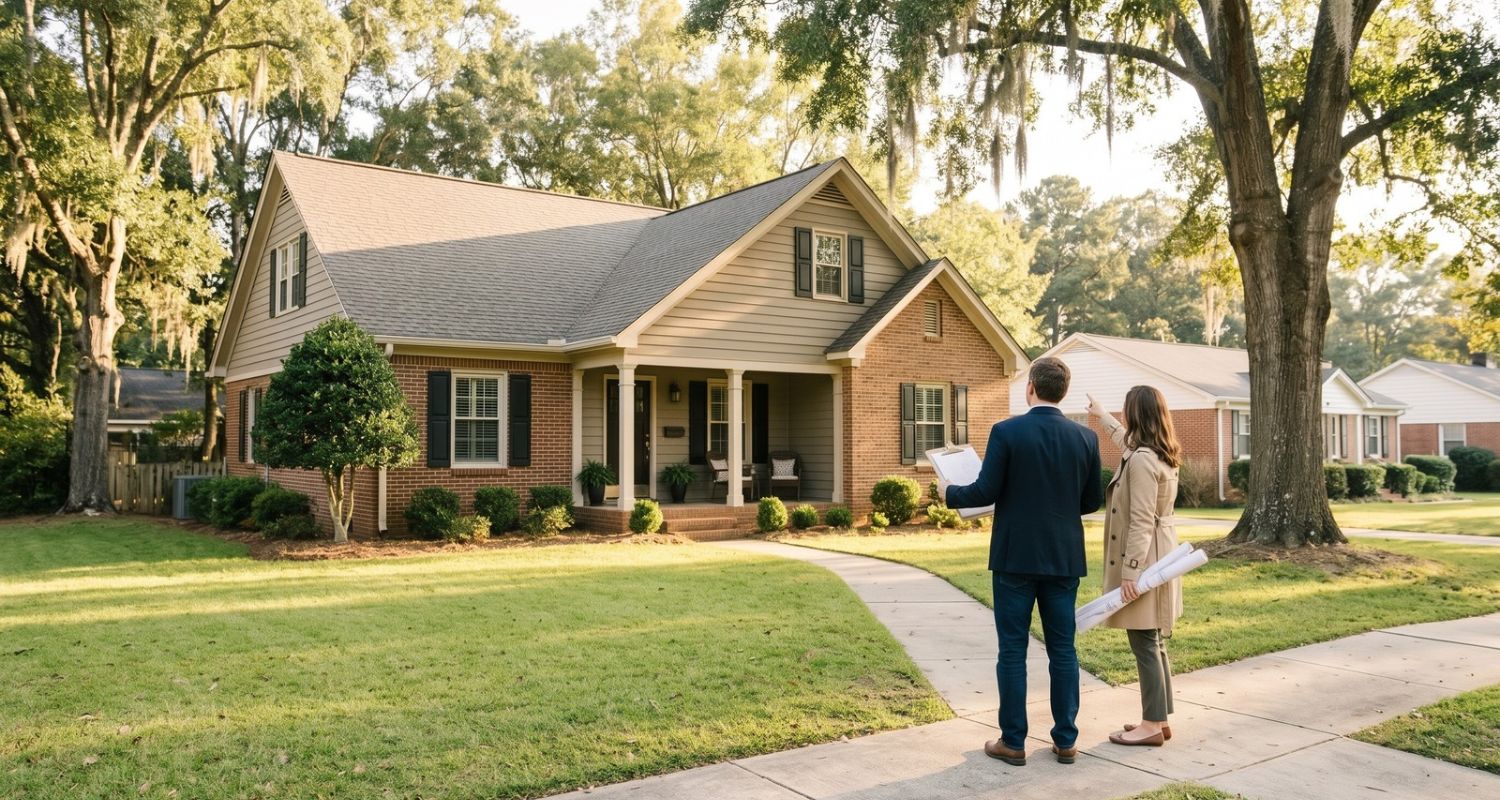
Located along the I-85 corridor in the state’s Upstate region within the greater Greenville market, the city offers investors a mix of established neighborhoods and properties with room to add value. At a $145,000 purchase price, this property gave the borrowers a solid starting point with plenty of upside.
The borrowers were no strangers to us:
In other words, they had already shown us exactly how they perform as borrowers.
Each of their previous loans had closed, performed, and paid off as planned. That history gave us something no credit report could: firsthand evidence of how they manage a project and repay a loan.
Since their last deal closed more than a year earlier, the borrowers’ credit had dropped sharply. On paper, they looked like a riskier bet than they had the last time around.
Many lenders would decline a loan after a credit decline like this, or reprice it with higher rates and less favorable terms. At the same time, interest rates had risen across the market, making financing more expensive for most investors regardless of their credit.
Credit can drop for many reasons, from high balances on active projects to personal or business expenses unrelated to how a borrower handles an investment loan. A score alone doesn’t explain which of these is at play.
That set up a clear contrast. On one side was a strong deal and a strong history with EquityMax. On the other was a credit score that didn’t tell the whole story.
The question wasn’t whether the borrowers’ credit had changed. It was whether that change said anything meaningful about how they would perform on this loan, given everything we already knew about them.
We structured the loan around the full picture, not a single number. Here’s how it came together:
Credit events outside of the EquityMax relationship did not outweigh a proven record of performance with us. Keeping the rate close to their prior deal was especially valuable. In a market where borrowing costs had risen, holding terms steady protected the borrowers’ margins and kept the numbers on the project working.
The decision to use a BPO also mattered. A BPO is a valuation prepared by a real estate professional using recent comparable sales and local market knowledge. Because this was a hard money loan with no appraisal needed, the borrowers saved on appraisal fees and avoided the wait that often comes with scheduling one. That shortened the closing timeline and let them move on the property quickly.
For experienced investors, those savings add up across multiple deals. Lower upfront costs leave more money available for renovations, and a faster close helps keep a purchase on track when a seller wants certainty.
Our philosophy is simple. We weigh a positive payment track record and a demonstrated ability to pay off loans more heavily than credit events elsewhere.
These borrowers brought us a strong deal and gave EquityMax the right of first refusal. We value that loyalty, and we believe it should be rewarded.
Giving a lender the right of first refusal means bringing them your deals first. It’s a sign of trust, and it builds a relationship in which both sides know what to expect from each other.
That’s a different approach from lenders that treat every deal as a brand-new transaction and every borrower as a score. If you’ve been turned away because of your credit, our page for investors denied by other lenders explains how we look at the whole deal.
The outcome put the borrowers in a strong position to move forward:
We’re wishing the borrowers well on this project and look forward to working with them on the next one.
Just as important, the borrowers came away knowing that their history with EquityMax counts. Their track record earned them a loan that reflected who they are as investors, not just where their credit stood at one moment.
This Spartanburg deal stood apart for several reasons. Loyalty was rewarded, a credit drop was looked past, no appraisal was required, and the borrowers received competitive terms in a higher-rate market.
It’s also a reminder that the best lending relationships are built over time. Every deal a borrower completes with us strengthens the case for the next one.
That’s what asset-based, relationship-driven underwriting looks like. Family-owned and operated since 1990, we focus on the strength of the deal and the borrower’s track record with us, not just a credit report.
We also move quickly. With closings in as little as 48 hours and valuation options like BPOs that can replace a full appraisal, we help investors act on good opportunities before they disappear.
Our programs cover a wide range of investors and properties. From small loans on lower-priced homes to rural area loans and modular and mobile home loans, we fund deals that many lenders won’t.
Whether it’s your first deal or your fourth, contact EquityMax or call (954) 267-9103 to discuss your next investment. You can also prequalify online in minutes.